
Health
HHS eases restrictions on certain unapproved peptides
By Marcus Chen
Advertisement · Why this ad?
Marcus manages the day-to-day editorial workflow across all brands, coordinating coverage assignments and ensuring editorial standards are met. He previously served as city editor at the Pioneer Press and holds a degree in Political Science from Carleton College.
More from Marcus →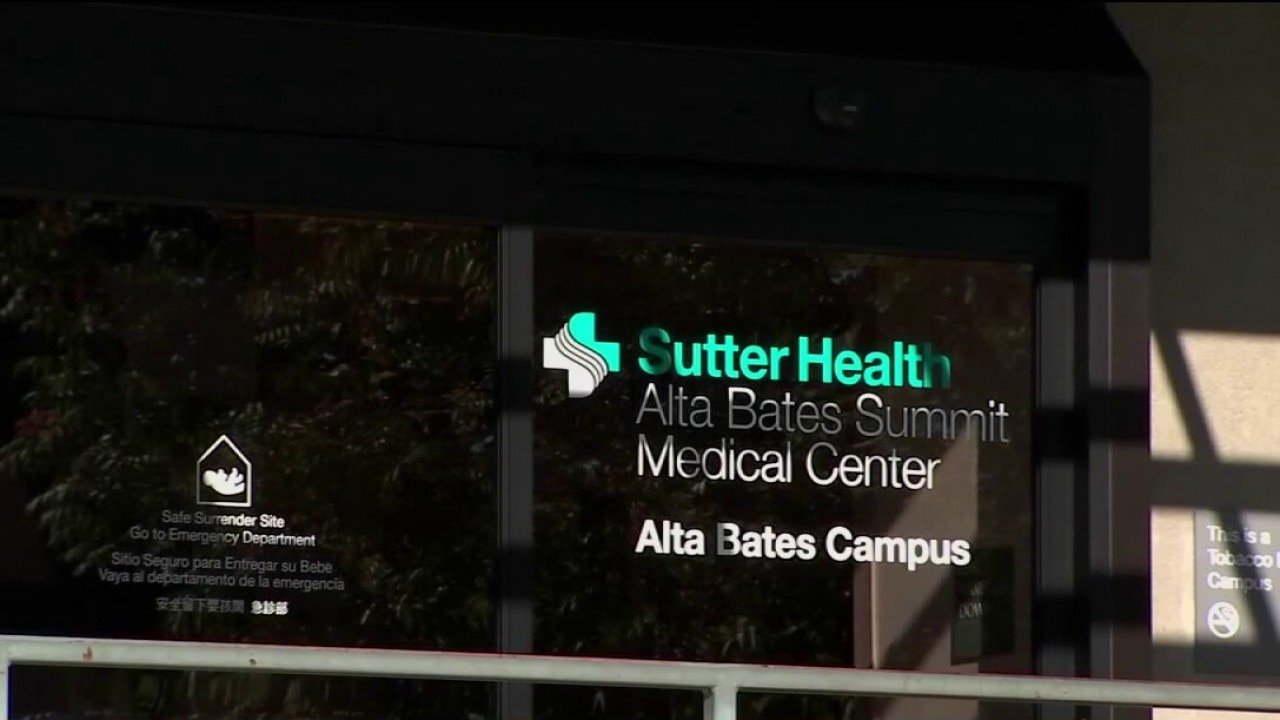
On a crisp autumn morning, the community of Emeryville woke to news that sent ripples through the healthcare landscape: Sutter Health has officially canceled its plans to construct a new hospital intended to replace the aging Alta Bates Hospital in nearby Berkeley. The proposed facility, which was set to cost $1 billion and open its doors in 2033, was seen as a beacon of hope for a healthcare system struggling to meet modern seismic safety standards.
The announcement came as a surprise to many residents and local leaders who had been anticipating the new hospital to alleviate the growing healthcare demands of the Bay Area. Sutter Health's decision stems from the pressing need to close Alta Bates Hospital by 2030, a requirement driven by state regulations aimed at ensuring seismic safety in healthcare facilities. The aging structure, which has served the community for decades, is unable to meet these stringent standards, leaving the future of healthcare services in the region uncertain.
Instead of moving forward with the hospital project, Sutter Health plans to pivot towards developing outpatient centers in Emeryville. These centers are designed to provide essential healthcare services without the need for a full-scale hospital, but many community members worry this shift will not adequately address the increasing healthcare needs of the population.
The decision has sparked a mix of disappointment and concern among Emeryville residents. Local business owner Sarah Jenkins expressed her frustration, stating, "We were counting on the new hospital to bring better healthcare access to our community. Outpatient centers are helpful, but they don’t replace the need for a full hospital, especially in emergencies." Many residents echoed her sentiments, fearing that the lack of a new hospital could lead to longer wait times and diminished healthcare quality.
City officials are also voicing their concerns. Emeryville Mayor John Doe stated, "This decision by Sutter Health is a setback for our community. We need a comprehensive healthcare solution, not just outpatient services. Our residents deserve better." The mayor's office is now exploring alternative options to ensure that healthcare access remains a priority for the community, including seeking partnerships with other healthcare providers.
The healthcare landscape in Emeryville has been under strain for years. With a growing population and increasing demand for medical services, the cancellation of the new hospital project raises questions about how the community will cope in the future. According to recent statistics from the California Department of Public Health, the state is experiencing a healthcare access crisis, particularly in urban areas.
Residents have expressed concerns about the adequacy of existing healthcare facilities. The nearest hospitals are often overcrowded, and many patients face long wait times for emergency care. The decision to abandon the new hospital project could exacerbate these issues, leaving vulnerable populations without the care they need.
For many families in Emeryville, the cancellation of the hospital project is not just a logistical setback; it is a deeply personal issue. Parents like Maria and Tom Rodriguez, who have two young children, voiced their worries at a recent community meeting. "If something were to happen to our kids, we want to be able to get them to a hospital quickly," Maria said. "The outpatient centers are great for routine check-ups, but they can’t handle emergencies like a full hospital can." The Rodriquez family, like many others, is left wondering what they would do in a crisis.
Moreover, the elderly population in Emeryville is particularly vulnerable. Many seniors rely on nearby hospitals for regular check-ups and urgent care. Local resident and senior advocate Helen Kim, who has lived in the area for over 30 years, expressed her fears: "Without a hospital, I worry about my friends and neighbors who might not be able to travel far for care. We need that safety net close to home." Helen's concerns underscore the broader implications for healthcare access in the community.
Looking ahead, Sutter Health's shift towards outpatient centers may provide some relief, but the question remains: will it be enough? The organization has committed to finding a new site for a hospital, but no timeline has been established. In the meantime, local leaders are urging Sutter Health to prioritize the community's needs and work collaboratively to develop a comprehensive healthcare strategy.
Health advocates in the area are pushing for immediate action. They are calling on Sutter Health to engage with the community to better understand their healthcare needs and to explore innovative solutions that could bridge the gap left by the canceled hospital project. In a recent community meeting, health advocate Maria Lopez emphasized, "We need a healthcare system that works for everyone, not just a select few. Our community deserves access to quality care, and we must hold our healthcare providers accountable." The urgency of this call to action reflects a growing sentiment among residents that their health and safety should not be compromised.
The impact of the canceled hospital project extends beyond healthcare access; it touches the lives of families across Emeryville. Many parents are concerned about how the lack of a nearby hospital will affect their children's healthcare. For families with young children or elderly relatives, having a full-service hospital within reach is crucial during emergencies.
Moreover, the prospect of increased travel times to access medical care could place additional burdens on families already facing the challenges of daily life. The American dream of a healthy family is increasingly at risk if communities like Emeryville lack adequate healthcare resources. The emotional toll of worrying about access to care can lead to increased stress and anxiety, further impacting the well-being of families in the community.
In light of these developments, residents are encouraged to stay informed and engaged. Local organizations, such as the Emeryville Chamber of Commerce and the Emery Unified School District, are vital resources for families seeking information about healthcare options and community support services.
Additionally, residents can access health services through local clinics and community health organizations, which are working diligently to fill the gaps left by the canceled hospital project. The HealthCare.gov website offers resources for families to find affordable healthcare options and understand their insurance choices. Community health events and workshops are also being organized to educate residents about available services and how to navigate the healthcare system effectively.
As the community grapples with the implications of Sutter Health's decision, the path forward remains uncertain. Local leaders and residents are united in their desire for a comprehensive healthcare solution that meets the needs of all families in Emeryville. While the outpatient centers may provide some immediate relief, the community must advocate for the return of a full-service hospital.
In the coming months, the focus will be on collaboration between Sutter Health, local government, and community stakeholders. The hope is that through open dialogue and a commitment to addressing healthcare access, Emeryville can emerge stronger and more resilient in the face of these challenges. Community forums are being planned to facilitate discussions between residents and healthcare providers, ensuring that the voices of those most affected are heard in the decision-making process.
By Marcus Chen
By Katherine Langford

By Marcus Chen

By Katherine Langford